
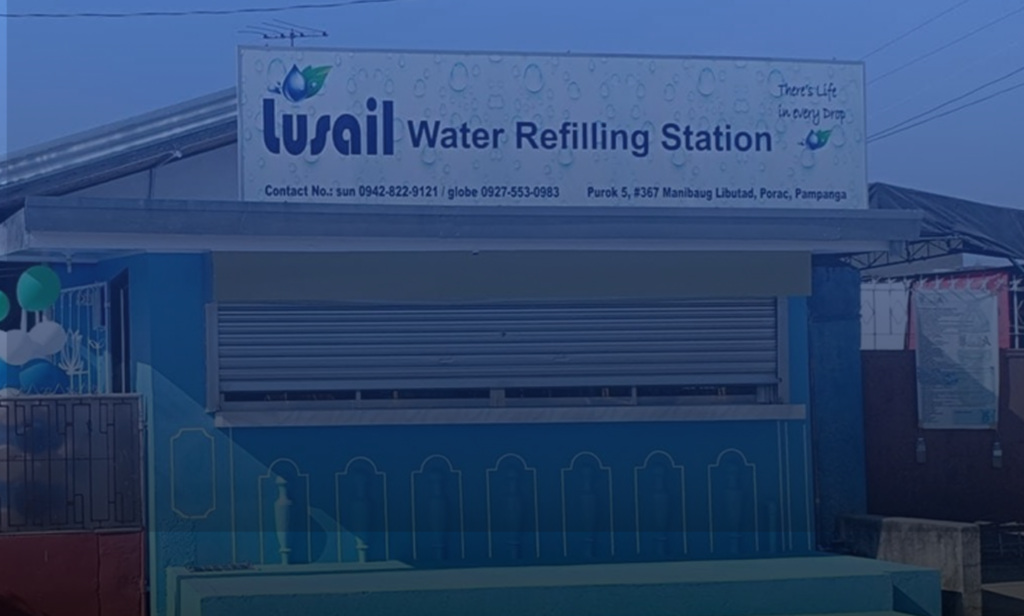
According to, Jillian Kubala, MS, RD, Purified, distilled, and tap water can all offer different health benefits and potential downfalls. Here’s what you should know about the differences between these types of water.
Optimal water intake is essential for your health.
Every cell in your body needs water to function properly, which is why you must continuously hydrate throughout the day.
Most people know how important water intake is, but some are confused over the best type of water to drink.
This article investigates the differences between purified, distilled and regular water to find out which one is the best choice for hydration.
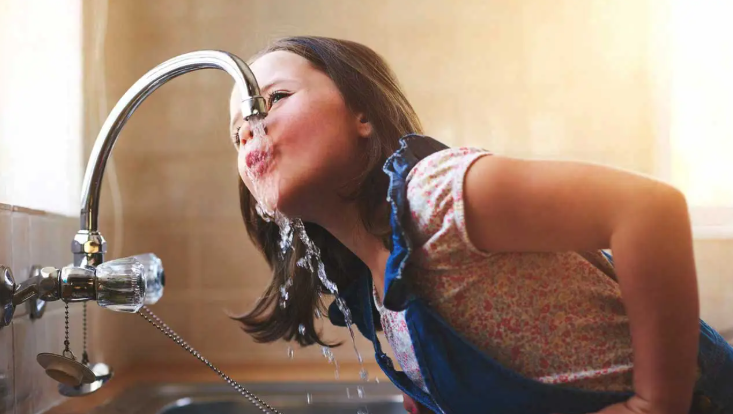
What Is Purified Water?
Purified water is water that has been filtered or processed to remove impurities like chemicals and other contaminants.
It is usually produced using groundwater or tap water.
Through purification, many types of impurities are removed, including (1Trusted Source):
- Bacteria
- Algae
- Fungi
- Parasites
- Metals
like copper and lead - Chemical pollutants
Several methods are used to purify water commercially and in the home.
In most Western countries, public drinking water is purified to make water safe for human consumption.
However, standards for drinking water around the world vary and are typically based on governmental regulations or international standards.
In fact, the World Health Organization estimates that over 2.1 billion people lack access to safe drinking water (2Trusted Source).
In countries that purify public drinking water, various treatment methods are used to make water safe, including (3Trusted Source):
- Coagulation
and flocculation: Positively charged chemicals
are added to water to bind with negatively charged particles so they can
be filtered out. This forms larger particles called floc. - Sedimentation:
Due to its larger size, floc settles to the
bottom of the water supply, separated from the clean water. - Filtration:
The clean water on top of the supply then flows
through numerous filtration systems made of sand, charcoal and gravel.
This removes contaminants like dust, bacteria, chemicals and viruses. - Disinfection: During this step, chemical disinfectants like chlorine are added to
the water to kill any remaining bacteria or viruses that may have survived
the first few steps.
It’s important to note that water may be treated differently depending on the area and quality of the local water.
https://www.healthline.com/nutrition/purified-vs-distilled-vs-regular-water#TOC_TITLE_HDR_3
Watch the video here on YouTube: https://www.youtube.com/watch?v=n-RwokdRxoI

Leave a Reply