
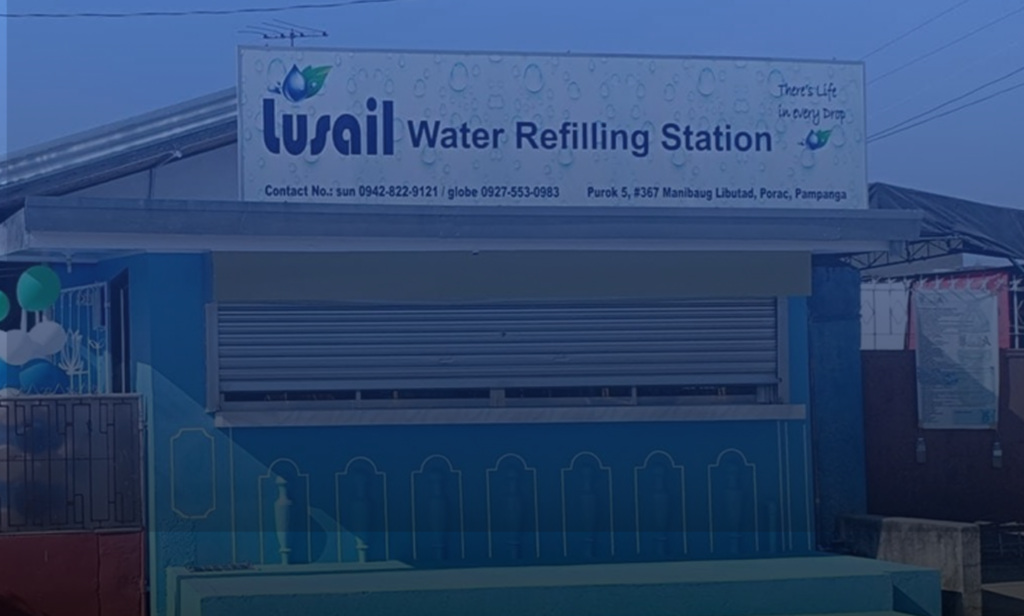
Have you walked down the street in your own backyard and seen a sign that reads “Refill for 20 Pesos!” or even less? In the current economy, it is extremely tempting to save every peso we can. You may say to yourself, “What’s the big deal? Water is water, right? Why pay more?”
However, in the water refilling station business, the phrase “you get what you pay for” could not be more accurate. While saving a few pesos may seem great in the short term, it could be costing you your health in the long term.
In the following article, we will expose the hidden danger in “budget” water refilling stations and why a water refilling station design such as Lusail is worth the investment for the health and safety of you and your family.
The Hidden Cost of “Cheap” Water
To comprehend why some water stations are so cheap, you must consider their expenses. Operating a high-quality water station requires electricity to power high-pressure pumps, replacing costly water filters, and maintaining high standards of sanitation.
If the water station is selling water at dirt-cheap prices, they must be cutting costs somewhere, and the only place they cut costs is in the following three areas:
- Delayed Filter Replacement:To conserve money, the water station may decide to extend the replacement time to six months or a year, even though the water filter should be changed every few months.
- Skipping the UV Light: The UV Sterilization Light eliminates germs and other dangerous organisms, however the lightbulb is expensive and needs energy. When no one is watching, the water station could turn it off.
- Poor Seal Quality:The seals on your water bottle cap may be of poor quality and may leak or let air and bacteria in during transport.
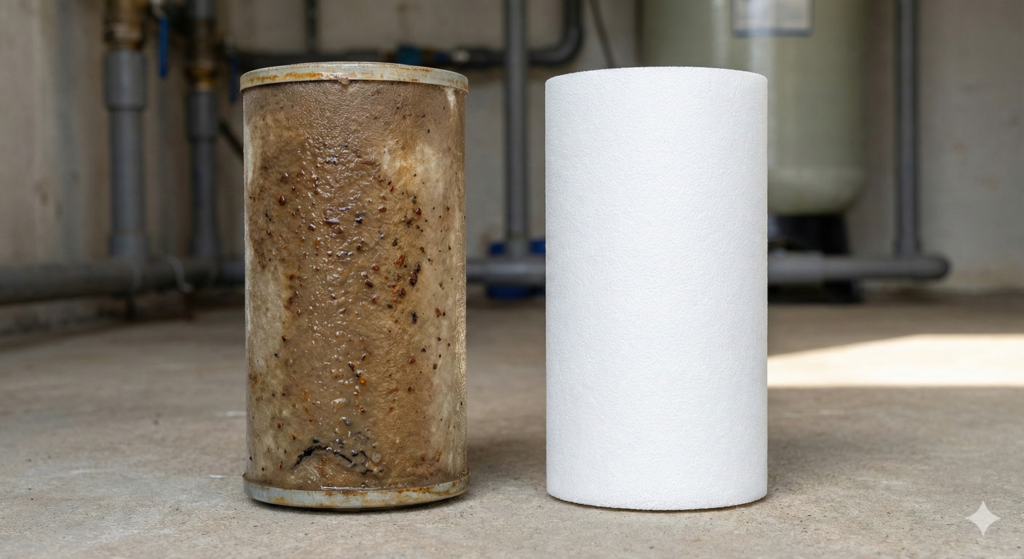
The Health Risks You Can’t See
According to the WHO, contaminated water is a leading cause of preventable diseases globally. The most common risks in poorly filtered water include:
- Amoebiasis: a prevalent ailment in the Philippines caused by parasites that may thrive in tap water.
- E. Coli:Bacteria commonly discovered in stations with inadequate cleanliness or filthy dispensing nozzles.
- Heavy Metals: lead and rust from ancient pipes, which ordinary carbon filters cannot completely remove.
When you buy from a recognized station, such as Lusail Water Products, you are not only paying for the liquid, but also for the guarantee that these germs have been eradicated.
Inside Lusail’s 21-Stage Filtration System
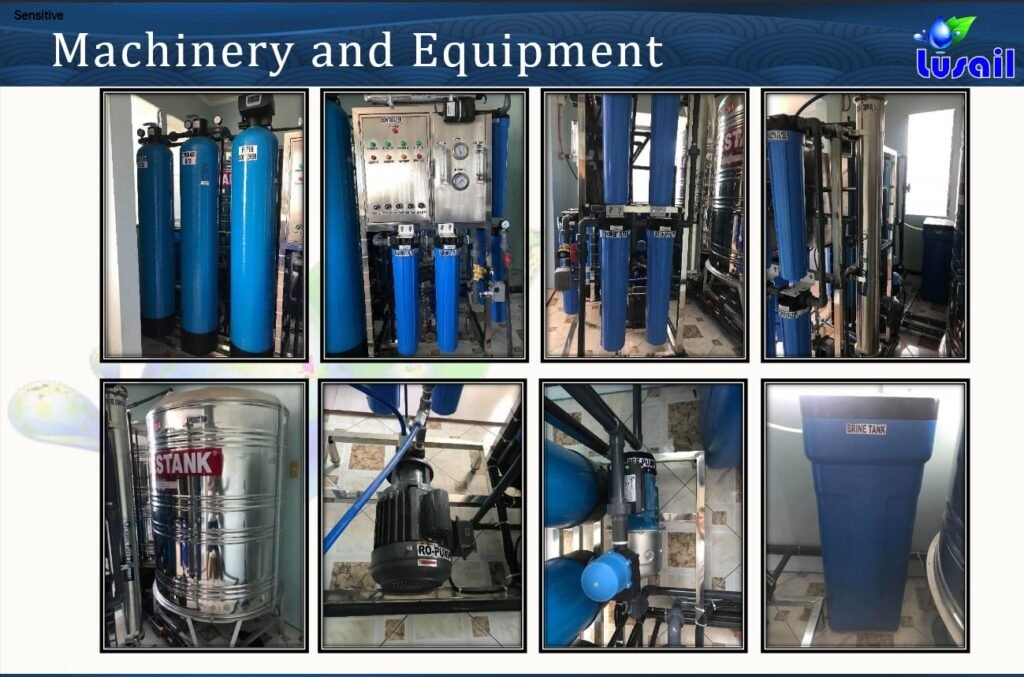
We do not compete on price, but on safety. Our purified drinking water goes through a strict 21-stage filtration process. Of course, there’s a lot that goes on behind the scenes, but here are the most important steps that set us apart from our price-conscious competitors:
1. Multimedia Sediment Filtration
Before it even goes to the main filtration process, our water goes through a series of sand and anthracite layers. This process filters out the “big stuff,” like dirt, rust, and other impurities that may be floating around.
2. The Reverse Osmosis (RO) Heart
Now this is where the magic really happens! The Reverse Osmosis process filters water through a membrane that allows only water molecules to pass through, while keeping almost everything else out. This includes 99% of dissolved solids, chemicals, and metals! Of course, this process requires a lot of energy, which is why most cheap water stations either do not have this step or bypass it altogether. You can read about Reverse Osmosis Technology from scientific sources. This process is energy-intensive, which is why cheap stations often skip it.
3. Post-Carbon Polishing
Have you ever tasted water that had a weird “plastic” flavor? That’s because it lacked a polishing stage. We use high-grade coconut shell carbon to ensure our water tastes crisp, fresh, and odorless.
4. Final Sterilization (UV & Ozone)
Just before the water enters your bottle, it gets blasted with Ultraviolet (UV) light to kill any remaining bacteria instantly. We also use Ozone technology to sterilize the bottle itself.
Why Station Design Matters
Safety isn’t just about the machine; it is about the room.
Have you noticed that some stations fill your bottle right next to the street? Dust, exhaust fumes from tricycles, and insects can easily land on the nozzle.
At Lusail Water, our professional water refilling station design strictly separates the “Production Area” from the “Customer Waiting Area.”
- Sealed Glass Windows: Customers can see the process, but they cannot touch or contaminate the filling area.
- Sanitized Filling Room: Only staff wearing hairnets, masks, and scrub suits are allowed inside the filling zone.
Conclusion: Don’t Gamble with Health
Your family drinks water every single day. It is the fuel for your children’s growth and your own energy. Is it really worth risking a hospital trip for Amoebiasis just to save 5 or 10 pesos per container?
Choose a station that is transparent about its process. Choose a station that invests in premium filters.

Leave a Reply